
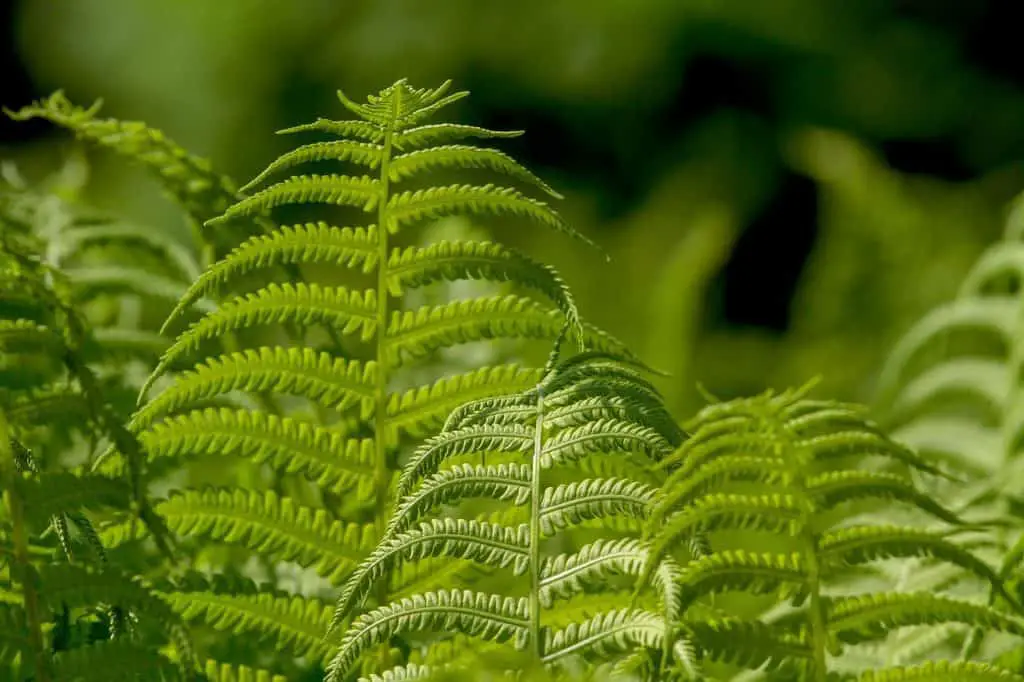
The best homemade fertilizers for ferns are compost tea, worm castings, banana peel tea, diluted coffee grounds, eggshell water, grass clipping tea, brewed tea, aquarium water and leaf mould.
Each provides a different combination of the nutrients ferns need without the risk of over-concentration that makes commercial fertilisers problematic for these plants.
Ferns are not heavy feeders. They evolved in woodland environments where they drew their nutrition from slowly decomposing organic matter on the forest floor rather than from concentrated nutrient sources, which is precisely why natural homemade inputs suit them so well.
They provide nutrition at a gentle, steady pace that matches how ferns are adapted to absorb it. Get the balance right and your ferns will grow lush and full.
Overdo it with any fertiliser, commercial or homemade, and you will see the brown, crispy leaf tips that indicate fertiliser burn.
This guide covers every effective homemade option in detail, explains what each one provides and how to apply it correctly, includes the feeding schedule you need to avoid over-feeding, and covers the signs that tell you whether your fern needs more nutrition or has already had too much.
Why Homemade Fertiliser Works Well for Ferns
Ferns are among the oldest plant families on earth, appearing in the fossil record around 360 million years ago, and they have spent that entire evolutionary history drawing nutrients from decomposing organic matter rather than from soluble, concentrated fertilisers.
Their root systems, more accurately described as rhizomes in many species, are adapted to take up nutrients slowly and in low concentrations from humus-rich soil.
This background makes homemade organic fertilisers a natural fit.
Compost tea, banana peel water, worm castings and decomposed grass clippings all release their nutrients gradually as they break down further in the soil, mimicking the conditions ferns have evolved to thrive in.
They also improve soil structure and support the beneficial microbial communities that help convert organic matter into plant-available nutrients, which commercial fertilisers do not do.
The practical benefits are significant. Homemade options cost almost nothing, make use of kitchen and garden waste that would otherwise go to the compost bin or landfill, and carry almost no risk of causing the fertiliser burn that concentrated commercial products produce when applied incorrectly.
What Nutrients Do Ferns Need?
Understanding what each nutrient does helps you choose the right homemade input for your specific plant’s needs at any given time.
| Nutrient | Role in Fern Health | Signs of Deficiency | Good Homemade Sources |
|---|---|---|---|
| Nitrogen (N) | Drives frond and foliage growth; responsible for the deep green colour of healthy ferns | Pale, yellowing fronds; slow or stunted growth | Grass clippings, coffee grounds, compost tea, worm castings, diluted ammonia solution |
| Phosphorus (P) | Supports root and rhizome development; helps energy transfer within the plant | Poor root development; generally weak growth | Bone meal, banana peels, eggshells, fish emulsion |
| Potassium (K) | Regulates water uptake and disease resistance; strengthens cell walls | Brown leaf edges; increased susceptibility to disease and pests | Banana peels, eggshells, wood ash (sparingly), compost |
| Calcium (Ca) | Builds strong cell walls; supports root tip development | Distorted new growth; weak stems | Eggshells, wood ash, agricultural lime (used as a soil amendment) |
| Magnesium (Mg) | Central component of chlorophyll; essential for photosynthesis | Yellowing between the veins of older fronds (interveinal chlorosis) | Epsom salt, compost, seaweed |
| Iron (Fe) | Involved in chlorophyll production; most available in slightly acidic soil | Yellowing of new growth while veins remain green | Compost tea, seaweed, leaf mould |
Most ferns prefer a slightly acidic soil pH of between 5.5 and 6.5. Within this range, the nutrients above are most available to the plant’s root system.
If the pH drifts significantly above 7.0, iron and other micronutrients become locked up in the soil and the plant shows deficiency symptoms even in soil that technically contains adequate nutrition.
Testing your soil pH with a simple kit before adjusting your fertilising approach is always worthwhile.
A Quick Homemade Liquid Fertiliser Recipe for Ferns
For a fast, all-purpose liquid fertiliser that can be prepared in minutes, mix the following into one gallon (approximately 4.5 litres) of water:
- 1 teaspoon of baking powder (bicarbonate of soda)
- 1 teaspoon of Epsom salt (magnesium sulphate)
- 1 teaspoon of potassium nitrate
- One third of a teaspoon of household ammonia
Each ingredient contributes something specific. The baking powder provides potassium and a mild buffering effect on soil acidity.
The Epsom salt delivers magnesium and sulphur, both of which support chlorophyll production and the deep green colour healthy ferns are known for.
The potassium nitrate provides both potassium and a concentrated source of nitrogen. The ammonia contributes additional nitrogen in a form the plant can absorb quickly.
This is a more precise and chemical-based formulation than the purely organic options covered below.
Use it as an occasional supplement rather than a regular feed, apply it to pre-moistened soil rather than dry compost to reduce the risk of root burn, and do not increase the concentrations listed above.
Given the inclusion of potassium nitrate and ammonia, this particular recipe is better suited to outdoor ferns or indoor ferns in a well-ventilated space.
The Best Homemade Fertilisers for Ferns
Compost Tea
Compost tea is the single most useful and balanced homemade fertiliser you can make for ferns, and it is genuinely simple to prepare.
Fill a bucket with two to three shovels of well-rotted garden compost or worm compost and top it up with water.
Leave the mixture to steep for 24 to 48 hours, stirring it occasionally if you think of it.
After steeping, strain out the solid material and use the liquid to water your fern in place of plain water.
The resulting tea is a dilute, balanced source of nitrogen, phosphorus, potassium and a broad range of micronutrients, as well as a significant population of beneficial soil microorganisms that improve the structure and health of the potting compost around the roots.
It is gentle enough to use monthly through the growing season without risk of burn. The strained solid material that remains can go into the garden compost pile.
Worm Castings and Worm Tea
Worm castings are the most nutrient-dense and plant-friendly organic fertiliser available, and they happen to be ideal for ferns.
They contain all three primary nutrients in a slow-release form, an abundance of beneficial microorganisms, and plant growth hormones that actively stimulate root development.
They will not burn roots even if applied directly to the soil surface.
To use worm castings as a top dressing, simply spread a thin layer of about 2 centimetres across the surface of the potting compost and water in gently.
The nutrients leach downward to the roots with each subsequent watering.
To make worm tea, steep a generous handful of worm castings in a litre of water for 24 hours, then use the strained liquid to water the fern.
Worm tea is particularly effective on indoor ferns that have been in the same potting mix for a year or more and need a nutritional boost without the disruption of repotting.
Banana Peel Tea
Banana peels are high in potassium, phosphorus, calcium and magnesium, making them one of the more nutritionally complete kitchen waste inputs for ferns.
The simplest preparation method is to chop two or three banana peels into small sections and soak them in a litre of water for 48 to 96 hours.
The water turns a light brown as it draws the nutrients from the peel. Strain out the peel sections and use the liquid to water the fern.
Alternatively, you can dry banana peels in a low oven or on a warm windowsill, then crush them into a coarse powder.
A tablespoon of this powder worked into the top layer of potting compost every six to eight weeks provides a slow-release potassium and calcium source that is particularly useful for established ferns that produce a heavy volume of fronds and need regular potassium to maintain their structural integrity.
Eggshell Water
Eggshells are composed primarily of calcium carbonate, with smaller amounts of phosphorus and magnesium.
They break down slowly in soil, making them a useful slow-release calcium source that also gradually raises soil pH slightly over time, which can be useful if your potting mix has become too acidic from repeated use of coffee grounds or tea.
To make eggshell water, rinse and dry several eggshells and then crush them coarsely before dropping them into a container of water.
Leave for 24 hours, then use the water directly on the fern. The calcium content in solution is relatively low, so this works best as a regular gentle supplement rather than a primary fertiliser.
For a longer-term approach, crush dried eggshells into a fine powder using a pestle and mortar or a rolling pin and work a teaspoon of the powder into the top centimetre of potting compost every couple of months.
The shells will continue breaking down and releasing nutrients with each watering.
Grass Clippings Tea
Fresh grass clippings contain nitrogen, phosphorus and potassium in proportions that are useful for ferns without being so concentrated that they risk causing burn.
To use them as a liquid feed, fill a bucket approximately one third full with fresh clippings and top it up with water.
Leave the mixture to steep for 48 to 72 hours, stirring daily. Strain out the clippings and dilute the remaining liquid by mixing one part grass tea with three parts plain water before applying.
The undiluted steeping liquid is quite strong and is likely to be too concentrated for direct application, particularly on indoor ferns in smaller containers, so the dilution step is important.
Applied at the correct dilution, this is an effective monthly nitrogen feed through spring and summer.
Do not use grass clippings from a lawn that has been treated with herbicide or pesticide within the previous six weeks, as residues can damage ferns.
Diluted Coffee Grounds
Used coffee grounds contain nitrogen, magnesium and potassium, alongside a population of beneficial soil microorganisms that thrive in the organic matter the grounds provide.
Contrary to widespread belief, used coffee grounds are not strongly acidic; they measure close to neutral on the pH scale (around 6.5 to 6.8).
It is brewed liquid coffee, rather than the grounds, that is more acidic and has a more pronounced effect on soil pH.
The most effective way to use coffee grounds for ferns is to mix a small amount directly into the top layer of potting compost, no more than a centimetre deep, rather than applying a thick layer to the surface.
A thick surface layer of grounds tends to compact and create a barrier that repels water rather than allowing it to penetrate to the roots.
Alternatively, soak a tablespoon of used grounds in half a litre of water for 24 hours, strain, and use the resulting liquid as an occasional feed.
Use coffee-based feeds no more than once every four to six weeks, and monitor the soil pH if you use them regularly over an extended period.
Brewed Tea
Weak, cooled brewed tea, either from teabags or loose leaves, provides a gentle source of tannic acid, nitrogen and trace amounts of potassium and phosphorus.
It mildly acidifies the soil over time and improves the structure of the growing medium, particularly in heavy or compacted potting compost.
Pour cooled, unsweetened brewed tea directly onto the soil surface in place of plain water once or twice a month through the growing season.
It is mild enough that there is very little risk of causing any harm if used at reasonable frequency, making it one of the most fuss-free additions to a regular fern care routine.
Used tea leaves can also be worked into the top layer of potting compost, where they will decompose and release their nutrients slowly over several months.
Aquarium Water
If you keep freshwater fish, the water you remove during tank changes is a genuinely excellent free fertiliser for ferns.
Aquarium water contains dissolved fish waste in the form of nitrates and phosphates, as well as beneficial microorganisms, and it is already at room temperature and pH-stable, which makes it less of a shock to plant roots than cold tap water can be.
Simply use the aquarium water in place of plain water when watering your fern.
It is mild enough to use at every watering during the growing season without any risk of over-fertilising, and ferns respond noticeably well to it.
This only applies to freshwater tanks; do not use water from a marine or saltwater tank, as the salt content will damage the plant.
Seaweed and Kelp
Seaweed is one of the most nutritionally complete natural fertilisers available, containing a wide spectrum of micronutrients alongside trace amounts of nitrogen, phosphorus and potassium, as well as natural growth hormones called cytokinins that stimulate root development and help plants deal with environmental stress.
Ready-made seaweed extract is sold as a liquid feed in most garden centres and is the most convenient form to use.
Dilute it to approximately half the recommended rate on the label and apply monthly through the growing season.
Alternatively, if you have access to fresh seaweed, rinse it thoroughly in fresh water to remove excess salt, then soak it in water for 48 hours and use the strained liquid on your ferns.
Leaf Mould
Leaf mould is simply decomposed autumn leaves and is one of the most natural and effective soil amendments you can make for ferns.
It mirrors the humus-rich layer of decomposed organic matter that ferns grow in naturally on the woodland floor.
As a potting compost amendment, mixing roughly 20 to 30 percent leaf mould into the compost when potting or repotting creates a growing medium that is closer to the fern’s natural habitat than standard potting mix alone.
As a top dressing, a layer of well-rotted leaf mould spread across the surface of the compost every spring provides slow-release nutrients and improves the moisture retention and structure of the potting mix over the course of the season.
Leaf mould takes approximately one to two years to fully break down from fresh autumn leaves.
The simplest way to make it is to fill a black plastic sack with damp leaves, tie the top loosely, pierce a few holes for air circulation and leave it in a corner of the garden for twelve months.
Homemade Inputs to Use with Caution
Vinegar
Vinegar is often suggested as a soil acidifier, and it does lower soil pH, but it needs to be used with considerable care and should be thought of as a pH amendment tool rather than a fertiliser in any meaningful sense.
White vinegar in particular can damage beneficial soil microorganisms and harm root tissue if applied too frequently or in too high a concentration.
If your soil or potting compost genuinely needs acidifying for a fern that requires lower pH conditions, dilute one cup of apple cider vinegar in two gallons of water and apply this to the soil no more than once every four to six weeks while monitoring the pH.
Do not use undiluted vinegar directly on the soil or allow it to contact the plant’s fronds or stem.
Wood Ash
Wood ash from untreated timber raises soil pH and provides potassium and calcium.
It can be useful for a fern growing in overly acidic conditions, but it acts quickly and can shift pH substantially if applied liberally.
Use no more than a light dusting across the soil surface and water it in thoroughly.
Most ferns prefer slightly acidic conditions, so this input is only appropriate when the soil pH is measurably too low and needs correction.
Do not use ash from treated wood, coal or charcoal, which can contain harmful residues.
Fresh Manure
Fresh manure is too concentrated in nitrogen and other compounds to apply directly to ferns.
It can burn roots and cause a rapid, damaging spike in nutrient levels around the root zone. If you have access to manure, compost it fully before using it around ferns.
Well-rotted manure that has been composted for at least six months is a useful soil amendment and can be incorporated into the compost at potting time.
How Often Should You Fertilise Ferns with Homemade Fertiliser?
| Season | Fertilising Frequency | Notes |
|---|---|---|
| Early spring (March to April) | Once, as new growth appears | Introduce feeding gradually as the plant comes out of its winter rest; begin with a diluted compost tea or worm tea |
| Late spring to summer (May to August) | Once or twice per month | Peak growing season; monthly feeding with a varied rotation of homemade inputs keeps the plant well nourished without over-feeding |
| Early autumn (September to October) | Once per month, reducing toward the end of October | Taper off feeding as day length shortens and growth slows |
| Winter (November to February) | None or very occasionally | Most ferns rest during winter and should not be fertilised; very occasional worm tea or diluted seaweed extract will do no harm for species that continue growing |
A few important rules apply regardless of which homemade fertiliser you choose. Always water the fern with plain water before applying any fertiliser, whether liquid or solid.
Applying fertiliser to dry compost concentrates it around the roots before it can disperse, which increases the risk of burn even with gentle organic options.
New plants and recently repotted ferns should not be fertilised for the first two to three months.
Fresh potting compost already contains nutrients, and a newly established root system is more sensitive to excess input than a mature one. Give the plant time to settle before introducing any feed.
Signs You Are Over-Fertilising Your Fern
Brown, crispy leaf tips are the most common sign of fertiliser burn. The tips and edges of the fronds turn brown and dry rather than the yellowing associated with disease.
This happens because excess fertiliser salts in the soil draw water out of the root cells rather than allowing the roots to absorb it.
A white, crusty deposit on the soil surface or around the drainage holes of the pot indicates a build-up of mineral salts from repeated fertiliser application.
Flush the potting compost thoroughly with plain water two or three times in succession, allowing it to drain fully between each flush, to wash the accumulated salts through the drainage holes.
Rapid, weak or leggy growth that lacks the colour and substance of healthy fronds can sometimes indicate excess nitrogen, which pushes vegetative growth at the expense of strong, well-structured fronds.
If you notice any of these signs, stop fertilising, flush the compost with plain water, and wait until the symptoms resolve before reintroducing feeding at a reduced frequency and concentration.
Signs Your Fern Needs More Fertiliser
Pale or yellowing fronds across the whole plant, particularly when the plant is in adequate light, can indicate nitrogen deficiency.
This is most common in ferns that have been in the same potting compost for two or more years without either repotting or supplementary feeding.
Very slow growth through the active growing season, when the plant is receiving good light and appropriate water, can indicate that the potting compost has become nutrient-depleted.
A monthly compost tea feed through spring and summer will typically produce a visible improvement within four to six weeks.
Dark green, very small fronds in a plant that is not rootbound and is receiving adequate light can sometimes indicate phosphorus deficiency.
Banana peel tea or a small amount of bone meal worked into the surface of the compost will address this.
The Core Care Your Fern Needs Alongside Fertilising
Fertiliser cannot compensate for care conditions that are significantly wrong.
A fern that is not receiving adequate light, humidity or water will not respond well to feeding, however good the inputs are.
The table below summarises the key care requirements for most common houseplant ferns.
| Care Factor | What Most Ferns Need | Common Mistake |
|---|---|---|
| Light | Bright indirect light; most species do best in the bright shade of a north or east-facing window; avoid direct sun which scorches fronds | Placing in a dim corner, which produces pale, small fronds and leggy growth |
| Watering | Keep the compost evenly moist but not waterlogged; never allow to dry out completely; reduce slightly in winter | Letting the compost dry out between waterings, which causes frond browning and dieback |
| Humidity | High humidity of 50 to 80 percent; ferns are among the most humidity-demanding houseplants | Low humidity from nearby radiators or air conditioning causes frond browning at the edges and tips |
| Temperature | 15 to 24 degrees Celsius for most species; keep away from cold draughts and heating vents | Cold windowsills in winter, particularly behind glass where temperatures drop significantly at night |
| Soil | Humus-rich, free-draining, slightly acidic; a mix of peat-free potting compost, coir and perlite works well | Dense, moisture-retaining compost that stays wet and promotes root rot |
| Repotting | Every two years, or when roots fill the pot; spring is the best time | Leaving in exhausted, compacted compost for too many years, which limits growth even with regular feeding |
Ferns growing in the right conditions with adequate humidity and moisture are far more efficient at absorbing and using the nutrients you provide.
A fern in a dry, dim position may show little response to fertilising because other limiting factors are more significant than nutrition.
Final Thoughts
Ferns are among the most rewarding plants to feed with homemade inputs because they genuinely prefer the gentle, sustained nutrition that organic kitchen and garden waste provides over the concentrated doses of commercial fertilisers.
The options covered in this guide give you a year-round toolkit that costs almost nothing and works with the plant’s natural biology rather than against it.
Rotate between options through the growing season rather than sticking to a single input, so that your fern benefits from the different nutritional profiles each one brings.
Compost tea and worm tea provide broad nutrition and beneficial microorganisms. Banana peel and eggshell preparations address potassium and calcium.
Coffee grounds and brewed tea provide nitrogen and gentle pH support. Aquarium water, where available, delivers a steady background feed with almost no effort.
Keep the amounts moderate, always water the plant before feeding, and stop for the winter. That is genuinely all it takes to keep a fern well nourished year after year without spending anything.
You may also like:
- What Are the Benefits of a Boston Fern
- How to Save a Dying Staghorn Fern
- Can I Grow Ferns in Water Only
- How to Stop Your Boston Fern Leaves Curling
- What Is the Ideal Humidity for a Boston Fern
Hi, I'm Matt,
An amateur gardener with a houseplant habit that got slightly out of hand.
I started Bean Growing to share what I've learned from a few years of trial, error, and the occasional dead plant.
I grow a mix of houseplants and outdoor shrubs in the UK but try to expand my knowledge to the US. I try to write about what actually works